Skull Splat Ink: A Designer’s Real-World Embroidery Review
First Impressions: Bold, Playful, and Unapologetically Graphic
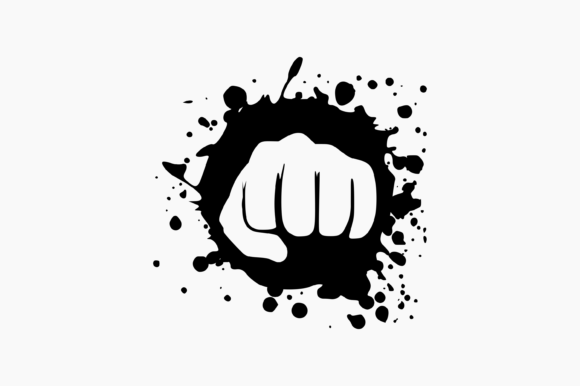
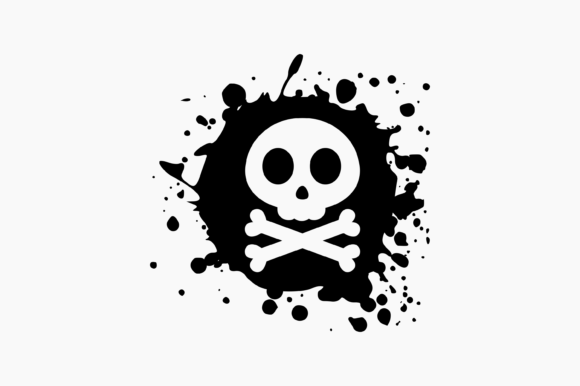
< p >When I opened Skull Splat Ink for the first time, I didn’t see just another skull motif—I saw a design with attitude and intention. It’s not gothic or grim; it’s energetic, almost cartoonish, with that signature ink-splatter energy radiating from the center. The lines are confident, the negative space is well considered, and the overall shape sits comfortably within a circular or square boundary—ideal for quick hooping and consistent placement across products. As a designer who regularly sources graphics for embroidery projects, I immediately pictured this on a black cotton tote bag for a local indie coffee shop’s staff gift line. That’s where Skull Splat Ink feels most at home: in bold, lifestyle-driven craft business contexts—not fine art framing, but everyday handmade product appeal.How It Stitches: From File to Fabric
Skull Splat Ink is delivered as an SVG, PNG, EPS, and DXF bundle—so it’s clearly built for versatility, not just embroidery. But as a machine embroidery designer, my first question is always: Can this translate cleanly into stitches without excessive digitizing work? The answer is yes—but with caveats. The splatter elements suggest movement, which means they’ll rely heavily on satin stitch outlines and controlled fill stitch gradients. On stable fabrics like midweight cotton twill or denim, those splatters hold up beautifully. On baby onesies? I’d simplify or reduce density—tiny hands + dense stitching = stiff, scratchy results. For sweatshirt embroidery, I’d pair it with a light tear-away stabilizer and test thread tension on scrap fleece first. The design’s open structure avoids heavy underlay, which helps prevent puckering on stretchy knits—but don’t assume it’s plug-and-play for every fabric texture.
Where It Shines (and Where It Needs Caution)
- Tote bags & aprons: Perfect scale and contrast. The graphic reads clearly even at 4–5 inches wide—ideal for boutique merchandise or craft fair booths.
- Patches & caps: Works well on flat-backed embroidered patches, especially when backed with fusible web. On curved cap fronts, keep it centered and avoid pushing too close to the bill seam—those splatter tails can distort if hooped poorly.
- Personalized gifts: Paired with a name or date in clean block lettering, Skull Splat Ink adds personality without overwhelming—great for teen birthday pillows or holiday kitchen towels.
- Caution zones: Avoid ultra-fine details on thin fabrics like voile or lightweight linen. Also skip dark-on-dark combos unless you’re using high-contrast thread (e.g., neon yellow on black). And never use it full-size on infant hats—scale down significantly or choose a simpler variant.
Design Integrity in Commercial Use
As someone who sells custom embroidered goods online and supplies digital embroidery files to other makers, I pay close attention to how a design affects perceived value—and Skull Splat Ink delivers. It doesn’t look “clip art.” It feels intentional, stylized, and cohesive. That matters when you’re pricing a handmade product at $48 versus $28. Customers notice the difference between something that looks mass-produced versus thoughtfully curated. When used in an Etsy listing for personalized sweatshirts, Skull Splat Ink gives the whole shop a sharper, more confident visual identity—especially when paired with clean mockups showing it on both light and dark fabric backgrounds. Just remember: if you’re selling finished items commercially, confirm the license permits unlimited use for physical products. The description says “unlimited use,” but always double-check file metadata or vendor terms before scaling production.
Practical Notes Every Embroiderer Should Try First
- Test stitch on scrap fabric matching your final project’s weight and stretch—especially if using textured or coated materials like canvas or coated cotton.
- Run a black-and-white mockup alongside color versions. Skull Splat Ink’s contrast holds up well in monochrome, making it adaptable for minimalist branding.
- Check small details: Are any splatter tips less than 1mm wide? If so, they may vanish in dense fill or blur on low-thread-count fabric.
- Compare stabilizer options—light cutaway works best for knits; medium tear-away suits most woven crafts like tea towels or pillow covers.
- Review thread color pairings early. This design sings with matte black on oatmeal, but also pops with deep navy on cream or charcoal on heather grey.
- If you’re offering Skull Splat Ink as part of a printable mockup pack or digital product suite, ensure your preview images reflect realistic stitch density—not vector-perfect flatness.
Final Thought: A Craft-Business Workhorse, Not a One-Off Gimmick
Skull Splat Ink isn’t trying to be subtle—and that’s its strength. In the Crafts category, where authenticity and visual clarity drive buyer trust, this design lands with purpose. It’s equally at home on a handmade baby bib (scaled down and stitched in soft pastel thread) and a limited-run boutique sweatshirt collection. What makes it valuable isn’t just the file formats—it’s how easily it integrates into real workflows: fast hooping, reliable stitch behavior, strong recognition at a glance, and flexibility across product types. Whether you're an Etsy seller building a seasonal collection, a small shop owner refreshing in-store merch, or a hobbyist crafting personalized gifts, Skull Splat Ink earns its place in your embroidery project queue—not as filler, but as a dependable, expressive design asset.