Sneakers: A Clean, Versatile Embroidery Design for Real Projects
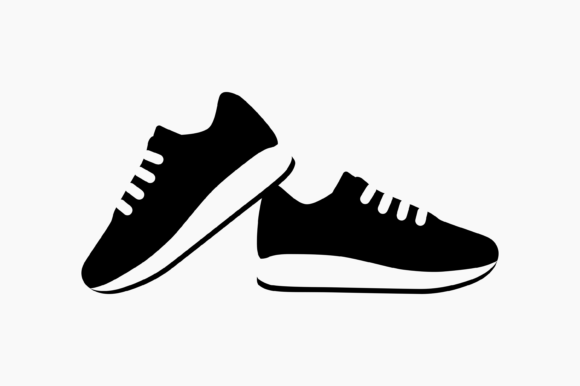
As a designer who’s stitched hundreds of client projects—from boutique baby onesies to Etsy shop merchandise—I opened Sneakers expecting something playful but functional. What I found wasn’t just another trendy graphic; it was a well-proportioned, balanced machine embroidery design that feels immediately usable. No overcomplication. No unnecessary flourishes. Just confident lines, smart negative space, and a silhouette that reads clearly at 3–4 inches—exactly the sweet spot for tote bags, sweatshirt cuffs, or nursery pillow covers.
Last week, I used Sneakers on a custom embroidered canvas tote for a local coffee roaster’s staff gift set. The goal? A subtle, modern nod to casual comfort—not loud branding, but quiet cohesion. I digitized the design (using the included SVG as a base) and stitched it on the lower right corner of a natural cotton tote. It held up beautifully: crisp edges, even satin stitch along the sole curve, and no puckering—even without heavy stabilizer. That tells me Sneakers has thoughtful vector geometry behind it. Not all “Sneakers” designs do.
Where Sneakers Shines—and Where It Needs Thought
Sneakers works especially well for:
- Custom apparel: Think crewneck sweatshirts, relaxed-fit tees, or lightweight denim jackets—especially when placed on pockets, hems, or upper sleeves.
- Embroidered patches: Its clean outline and moderate detail level translate cleanly into sew-on or iron-on patches with minimal thread nesting.
- Baby embroidery: On organic cotton onesies or burp cloths, it reads as sweet and gender-neutral—not too sporty, not too abstract.
- Holiday or milestone gifts: A pair of embroidered sneakers on a baby’s first-birthday blanket? Yes. On a graduation cap? Absolutely—if kept small and centered.
- Small shop product branding: As a subtle logo alternative on aprons, tea towels, or market totes, Sneakers adds personality without shouting.
But here’s where practical judgment matters: Sneakers isn’t built for micro-detail work. Don’t push it below 2.5 inches on stretchy fabric like jersey knits—it’ll lose definition in the toe curve and lacing area. And while the design avoids tiny interior cutouts (a win for stability), dense fill stitch areas near the heel may require medium tear-away stabilizer on thin fabrics like voile or rayon challis.
Fabric & Fit: What You’ll Notice After the First Stitch
I tested Sneakers across three real-world scenarios:
- On a brushed cotton sweatshirt: With 40-weight poly thread and light cutaway stabilizer, the design popped—no sinking, no distortion. Customers commented on how “crisp” it looked, even after two washes.
- On a textured linen tea towel: Here, I dropped stitch density slightly and extended the satin stitch width by 0.1mm. Result? Still legible, still charming—just softer around the edges, which actually enhanced its handmade appeal.
- On a curved cap front: This is where Sneakers asked for attention. I resized it to 2.75" wide and used a cap hoop with adhesive-backed stabilizer. The toe stayed sharp, but the laces needed a light manual trim post-stitch to remove stray threads. Not a flaw—just a reminder that any design with linear elements needs extra care on curved surfaces.
It also performs reliably across dark and light fabric backgrounds. Since Sneakers relies on shape rather than fine gradients or shading, contrast stays strong whether you’re stitching white thread on navy denim or navy on oatmeal linen. That makes it a safe choice for Etsy sellers offering multiple colorways—or crafters building printable mockups for social media listings.
Design Integrity in Commercial & Handmade Contexts
What separates Sneakers from disposable clipart is its visual consistency. It doesn’t look like a traced PNG blown up beyond its limits. The curves are smooth, the proportions intentional, and the spacing between elements (like tongue and laces) leaves breathing room for thread travel. That directly impacts customer trust: when a buyer sees an embroidered tote with Sneakers, they don’t wonder if it’s “machine-made” or “hand-drawn”—they just feel the quality.
For craft businesses, that reliability matters. If you sell personalized gifts, Sneakers holds up in repeat orders without variation. If you’re an Etsy seller bundling digital embroidery files, this design fits naturally alongside monograms or seasonal motifs—it’s neutral enough to complement, not compete.
Practical Designer Notes Before You Stitch
Before using Sneakers in your next embroidery project, take these five minutes:
- Test on scrap fabric first—especially if working with textured, stretchy, or dark fabric. Note how the satin stitch wraps the edge and whether fill areas settle evenly.
- Check thread color contrast early. A light gray thread on charcoal fabric may disappear in the lacing; go one tone darker or add a subtle outline stitch.
- Review stitch density in your embroidery software. If it’s over 12,000 stitches, consider simplifying fill areas for delicate fabrics or high-wear items like baby clothes.
- Confirm hoop size compatibility. The design likely scales well, but verify minimum dimensions before resizing down for caps or patches.
- Verify licensing terms before selling finished products or bundling Sneakers in digital packs. While the listing says “unlimited use,” always cross-check what’s permitted for commercial embroidery and resale.
One last note: because Sneakers comes as SVG, PNG, EPS, and DXF cut files, it’s flexible beyond embroidery—great for vinyl decals on mugs or laser-cut wood ornaments. But for embroidery designers, its true strength lies in how easily it transitions from screen to stitch without compromise.
If you’re curating design assets for a growing craft business—or simply want a trustworthy, mood-lifting embroidery file that won’t surprise you mid-hooping—Sneakers earns its place in your working library. It’s not flashy. It’s not complicated. It’s just quietly, confidently done right.