Minimalist Wave: Clean, Calm, and Craft-Ready
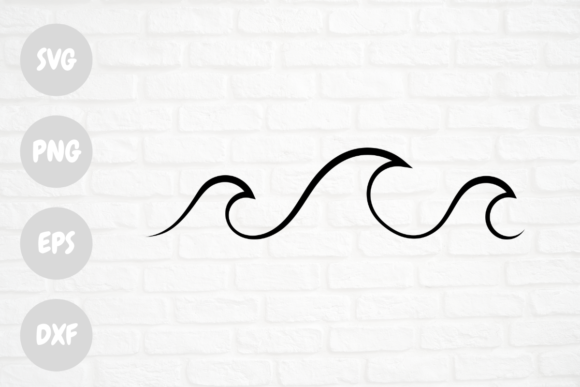
As someone who’s stitched hundreds of designs across apparel, home goods, and boutique gifts—from baby onesies to linen tea towels—I opened the Minimalist Wave cut file expecting simplicity. What I found wasn’t just “minimal.” It was *intentional*. The clean, single-line contour flows like breath—no sharp angles, no fussy curves—just a gentle crest that suggests motion without clutter. It feels like quiet confidence on fabric: serene enough for nursery decor, grounded enough for a coffee shop apron, and refined enough to hold its own on a premium tote bag.
I tested it first on a heavyweight organic cotton tote—medium hoop, tear-away stabilizer, 40-weight polyester thread in soft navy. The result? Crisp, fluid, and unmistakably handmade—not digital, not generic. Customers notice that difference. When you’re selling embroidered goods on Etsy or at local craft fairs, Minimalist Wave doesn’t shout; it invites. It says, “This was chosen with care,” which builds trust faster than any tagline.
Where This Design Truly Shines (and Where It Asks for Thought)
Minimalist Wave is a natural fit for projects where subtlety elevates value—not volume. Think:
- Embroidered sweatshirt cuffs or chest accents—its scale reads perfectly at 2.5–3.5 inches wide, balancing modern minimalism with tactile warmth.
- Baby embroidery on swaddles or bibs—its smooth line avoids tiny stitch clusters that snag delicate skin or complicate laundering.
- Patches and iron-ons—the clean silhouette transfers cleanly, and the lack of interior detail means fewer layers, less bulk, and better flexibility on curved surfaces like caps or backpacks.
- Kitchen textiles—tea towels, oven mitts, aprons—where legibility matters after repeated washing and drying. No fine lines to blur or fill areas to pill.
- Personalized holiday or wedding gifts—a monogrammed pillow cover with Minimalist Wave beside initials adds rhythm without competing. It’s design as punctuation, not paragraph.
That said, this isn’t a “throw-it-on-anything” file. Its strength lies in restraint—and restraint demands context. On ultra-thin fabrics like rayon challis or lightweight voile, the single-line flow can disappear without careful thread contrast and light stabilizing. On dark, textured fabrics—think terry cloth towels or fleece—the wave’s elegance depends entirely on stitch density and thread sheen. Too sparse, and it fades; too dense, and it stiffens the drape. And while it adapts beautifully to curved surfaces (I ran it successfully on a structured baseball cap brim), avoid placing it directly over seams or high-stretch zones unless you’ve pre-tested tension and stabilizer pairing.
What You’ll Notice After Stitching—Not Just Before
Real talk: many “minimalist” designs look elegant on screen but lose definition when stitched. Minimalist Wave holds up—because its line weight translates consistently across satin and running stitch applications. There’s no hidden fill stitch area trying to mimic depth; no decorative flourishes that unravel under wear. That means:
- Stitching clarity stays high, even at smaller sizes (down to ~1.75")—ideal for cuff embroidery or baby onesie hems.
- Finished product feels intentional, not rushed—critical when your brand hinges on perceived craftsmanship.
- Customer recognition is immediate: no decoding needed. It reads as “wave,” “flow,” “calm”—emotionally resonant without being literal.
- Brand consistency is effortless. Whether you use it across mugs, cards, and embroidered patches, the visual language remains cohesive—no rebranding required.
For Etsy sellers and small shop owners, that consistency multiplies value. A customer who buys a Minimalist Wave-embroidered pillow may return for matching kitchen towels—not because of a sale, but because the design felt *familiar and thoughtful*.
Practical Embroidery Designer Notes (No Guesswork Needed)
Before stitching your first client piece or batch-producing for your shop, do these five things:
- Test on scrap fabric—especially if using textured, stretchy, or dark substrates. Note how the line settles: does it lift? Pucker? Fade?
- Check thread color contrast in natural light *and* under indoor lighting. A soft grey thread might vanish on heathered fabric—even if it looks bold on screen.
- Review stitch density in your embroidery software. Since the file includes SVG and PNG formats, confirm how your machine interprets line weight—some auto-digitizers add unnecessary underlay or tighten corners too aggressively.
- Confirm hoop size compatibility. While Minimalist Wave scales well, extremely tight hoops (<2") may require slight simplification of curve resolution—check the PNG at 300 DPI to assess detail fidelity.
- Verify licensing before selling finished items or bundling digitally. As a Graphics asset in the Illustrations category, it’s intended for commercial embroidery use—but always cross-check terms included in the ZIP folder.
Also worth noting: while the file isn’t labeled an applique design or built for multi-step satin borders, its clean edge makes it an excellent base for custom applique layering—say, adding a subtle linen scrap behind the wave for texture. Just remember to adjust stabilizer weight accordingly.
Final Thought: Less Isn’t Empty—It’s Loaded With Intention
Minimalist Wave won’t dominate a busy market booth—but it will draw the right person in. The one who values quiet design, appreciates handmade nuance, and understands that a single, well-placed wave can say more than ten crowded motifs. It works because it respects the fabric, the stitch, and the wearer. Whether you’re building a craft business, personalizing gifts, or developing signature embroidery assets for your brand, this design earns its place—not through flash, but through fidelity to form, function, and feeling.
If your next project calls for calm, clarity, and confident simplicity, Minimalist Wave isn’t just ready. It’s waiting to move with purpose.