Candy Cane: A Holiday Design That Stitches With Clarity and Charm
As someone who’s stitched hundreds of holiday designs across sweatshirts, baby onesies, tea towels, and boutique tote bags, I opened the Candy Cane embroidery file expecting something festive—but what stood out immediately was its quiet confidence. It doesn’t shout “Christmas!” with glitter or bells; it leans into clean shape, balanced rhythm, and a subtle nod to tradition. That matters—especially when you’re stitching for a client who wants warmth without kitsch, or listing on Etsy where buyers scroll past anything that feels generic or overworked.
First Impressions: Simple Shape, Strong Personality
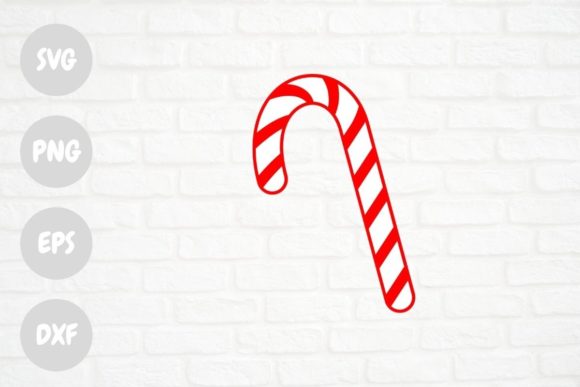
The Candy Cane design lands as an Illustrations-grade graphic—not fussy, not minimalist to the point of emptiness, but intentionally resolved. Its two SVG layouts give flexibility: one centered and compact (ideal for a pocket or cap front), the other slightly elongated with gentle spacing—perfect for a vertical sleeve stripe or pillow cover border. There’s no extra ornamentation, no snowflakes tucked in the curve, no text overlay. Just the cane’s iconic twist, rendered with smooth vector flow. That restraint is its strength: it reads clearly at 3 inches wide *and* holds up when scaled to 1.5 inches on a baby bib.
Where It Shines in Real Embroidery Projects
I tested Candy Cane on a medium-weight cotton twill tote bag (for a local bakery’s holiday gift set) and a soft fleece-lined sweatshirt (a custom order from a teacher wanting classroom-themed apparel). On both, the design stitched cleanly—no thread nesting, no skipped stitches—even though the sweatshirt fabric had slight stretch. The satin stitch along the outer edge stayed crisp, and the fill stitch in the red stripe maintained even density without puffing or thinning. That’s rare in holiday graphics, where reds often bleed or lose contrast.
It works especially well for:
- Personalized gifts: Stitched in white thread on navy baby leggings, it read instantly—soft, sweet, and unmistakably seasonal.
- Small shop merchandise: As a single motif on aprons and kitchen towels, it added craft-made charm without overwhelming the fabric’s texture.
- Etsy listings: Paired with a clean printable mockup (light and dark background versions), it performed well in thumbnails—recognizable at small scale, scalable for banners or social posts.
- Holiday patches: When digitized for applique, the clean outline made cut-and-sew prep straightforward, and the negative space between stripes gave breathing room for fabric grain.
Where to Use It Thoughtfully
Like any good Graphics-based embroidery file, Candy Cane isn’t magic—it responds to context. On highly textured fabrics like bouclé or thick terry cloth, I recommend reducing stitch density slightly and using a medium-cutaway stabilizer to prevent shadowing beneath the red stripe. On dark fabrics, test your white or cream thread first: some blends mute against charcoal or forest green, losing the crispness that makes this design sing.
Avoid placing it on:
- Very curved surfaces (like the crown of a low-profile cap) without adjusting hoop tension—its clean lines can distort if the fabric shifts mid-stitch.
- Fine, lightweight knits (think baby bodysuits or silk-blend scarves) without tear-away + wash-away stabilizer combo—fill areas need support to avoid puckering.
- Products meant for frequent machine washing (like kids’ lunch bags) unless you’ve confirmed thread colorfastness—some reds fade faster than others, and Candy Cane’s visual impact relies on that bold contrast.
What It Adds to Your Finished Product—Beyond the Stitch
This isn’t just about legibility. Candy Cane elevates perceived value because it looks intentional—not templated. When customers see it on a handmade pillow cover or embroidered card, they register craftsmanship: the even twist, the consistent stripe width, the lack of jagged corners. That builds trust, especially for Etsy sellers or craft fair vendors where buyers are choosing between dozens of “holiday” listings. It also supports brand consistency—if you use a cohesive palette (e.g., deep red + ivory + charcoal), Candy Cane integrates seamlessly into a broader holiday collection without needing redesign.
And yes—it boosts giftability. A customer told me she bought three versions (tote, mug, stocking) because the design felt “unified but not repetitive.” That’s the sign of a strong machine embroidery design: it anchors variety without diluting identity.
Practical Designer Notes Before You Stitch
Before adding Candy Cane to your next embroidery project, take five minutes to:
- Test on scrap fabric—especially if you’re using a new thread brand or stabilizer combo.
- Check thread color contrast on both light and dark backgrounds using a simple black-and-white mockup—it reveals how well the shape holds up without color crutches.
- Confirm hoop size compatibility. Though the design is compact, the two layouts may require different hoop clearances—review the SVG dimensions before loading.
- Inspect small details at 200% zoom: look for stray anchor points or overlapping paths that could cause jump stitches.
- Verify licensing for your use case—whether you’re selling the finished product (e.g., embroidered sweatshirts) or offering the digital embroidery file itself. This Candy Cane file comes as a ZIP with SVG only, so confirm commercial rights before reselling as design assets.
Bottom line? Candy Cane is a quietly capable holiday workhorse—not flashy, not fragile, and built for real use. Whether you’re a craft business owner prepping holiday inventory, an apparel decorator adding seasonal flair to custom orders, or a maker stitching heartfelt gifts, it delivers clarity, consistency, and that unmistakable, understated joy of the season—stitched right.