The Fox Logo: A Designer’s Real-World Embroidery Review
First Impressions: Clever, Clean, and Craft-Ready
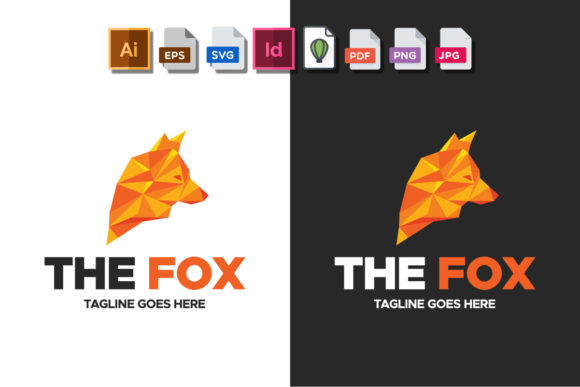
When I opened The Fox Logo, my first thought wasn’t “cute” or “trendy”—it was “this will stitch cleanly.” The silhouette is confident but not aggressive, with balanced negative space and smooth curves that suggest strong vector integrity. It reads as friendly yet professional—ideal for a boutique coffee shop logo, a nature-themed baby brand, or an artisanal kitchen goods line. There’s no over-detailing: no tiny whiskers, no nested outlines, no fragile linework. That’s huge. In embroidery, simplicity isn’t a compromise—it’s foresight. This isn’t just a graphic; it’s a machine embroidery design waiting to translate well.
Real Project Test: Embroidering a Linen Tea Towel for a Local Kitchen Boutique
Last week, I prepped The Fox Logo for a custom run of linen tea towels—lightweight, slightly textured, and destined for gift boxes at a downtown maker market. I resized the design to 3.2 inches wide (a comfortable fit for standard 4×4 hoops), chose matte cotton thread in warm terracotta and charcoal, and layered medium-weight tear-away stabilizer underneath. The result? Crisp satin-stitched edges, even fill stitching across the fox’s body, and zero puckering—even on the bias grain of the linen. Customers loved how the logo looked both handmade and intentional—not “digitized by someone who’s never touched a hoop.” That balance is rare, and The Fox Logo delivers it.
Where It Shines (and Where to Pause)
The Fox Logo performs exceptionally well on:
- Custom apparel: Sweatshirts, crewnecks, and structured tote bags—its clean shape holds up beautifully at 3–4 inches, especially when paired with quality stabilizer.
- Baby embroidery: On organic cotton onesies or burp cloths, its gentle curves and open layout avoid stiffness and reduce irritation risk.
- Embroidered patches: The defined outer edge makes it ideal for cut-and-sew applique designs—no need for extra border stitches.
- Holiday and wedding gifts: Think monogrammed pillow covers or linen napkins—the fox reads as timeless, not seasonal.
- Etsy listings and small shop products: As a digital embroidery file, it’s versatile enough for mockups, printable product previews, and consistent branding across physical and digital touchpoints.
But here’s where attention matters:
- Small hoop sizes (<4×4): Resize thoughtfully. Going below 2.5 inches risks losing definition in the ear tip or snout curve—test before committing.
- Textured or stretchy fabric: Knits, fleece, or terry cloth demand tighter stabilizer pairing. Don’t skip the basting stitch test.
- Dark fabric: While the design works in black thread, avoid ultra-fine details against deep navy or charcoal unless you’ve confirmed contrast in your actual thread palette.
- Caps and curved surfaces: The logo’s symmetry helps—but always digitize or adjust placement for front-panel cap embroidery; centering matters more than scaling.
- Frequent-wash items: Like baby blankets or kitchen towels—confirm stitch density isn’t overly dense. Overly tight fills can stiffen fabric over time.
What It Does for Your Craft Business—Beyond the Stitch
The Fox Logo quietly lifts perceived value. When stitched onto a handmade apron or ceramic mug sleeve, it doesn’t scream “clip art”—it signals care, cohesion, and intention. For Etsy sellers, that translates directly to higher conversion: buyers trust a logo that looks like it belongs to *your* brand, not a generic pack. For craft fair vendors, it adds polish without complexity—no hand-finishing needed, no alignment headaches. And for small shop owners building boutique branding, it’s flexible enough to scale from a subtle tagline accent to a bold chest emblem.
It also supports consistency. Whether you’re using it as a machine embroidery design on a sweatshirt, an applique design on a tote bag, or a vector-based element in your printable mockup, the editable Illustrator files mean one source file powers your entire product ecosystem—no mismatched versions, no version drift.
Practical Notes Every Embroidery Designer Should Run Through
Before stitching The Fox Logo into your next finished product:
- Test on scrap fabric first—especially if switching from cotton to linen, knit, or performance fabric.
- Check thread color contrast in natural light. What reads clearly on screen may fade on oatmeal canvas.
- Review stitch density visually in your embroidery software—if fills look muddy or overly sparse, adjust underlay or density settings.
- Confirm hoop size compatibility. If you’re working with a 3×3 hoop or multi-needle setup, verify spacing and jump stitch paths.
- Inspect small details at 200% zoom: Is the eye area legible? Does the tail taper cleanly? These are your make-or-break moments.
- Test black-and-white mockups—they reveal clarity issues no color preview catches.
- Compare light and dark fabric backgrounds side-by-side. A design that pops on white may disappear on heather gray.
- Use proper stabilizer—medium tear-away for stable wovens, cut-away for knits, and lightweight fusible for delicate layers.
- Verify licensing before selling finished embroidered items or reselling the digital embroidery file. Since The Fox Logo is described as fully editable and suitable for business use, confirm whether commercial rights extend to resale of stitched goods or digital assets.
A Final Thought for Makers
The Fox Logo isn’t flashy—but that’s its strength. In a world full of overdesigned logos and pixelated downloads, it’s a quiet, capable piece of design assets. It respects your time, your machine, your fabric, and your customer’s expectations. Whether you’re embroidering a single personalized gift or launching a full line of craft business merchandise, this logo works *with* you—not around you. And honestly? That’s the hallmark of a truly useful embroidery file.